Understanding Sunroom Quotes: How to Compare Bids from DFW Contractors
Collecting sunroom quotes around Dallas-Fort Worth can feel messy fast. One bid is one page. Another is five. And the totals don’t line up.
The win is getting a clean, side-by-side comparison, so the project stays on budget, and the finished room feels right. In this guide, you will find a clear way of understanding sunroom quotes and comparing bids without second-guessing every line item.
Why DFW Sunroom Quotes Vary so much
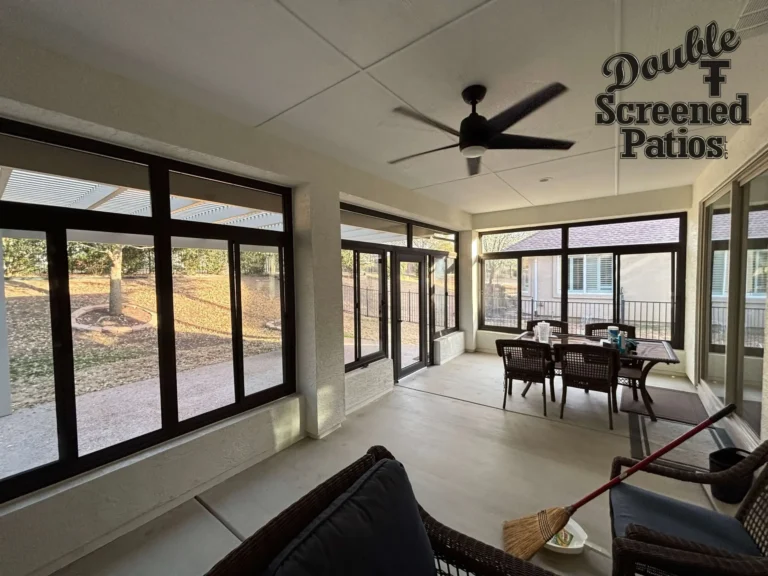
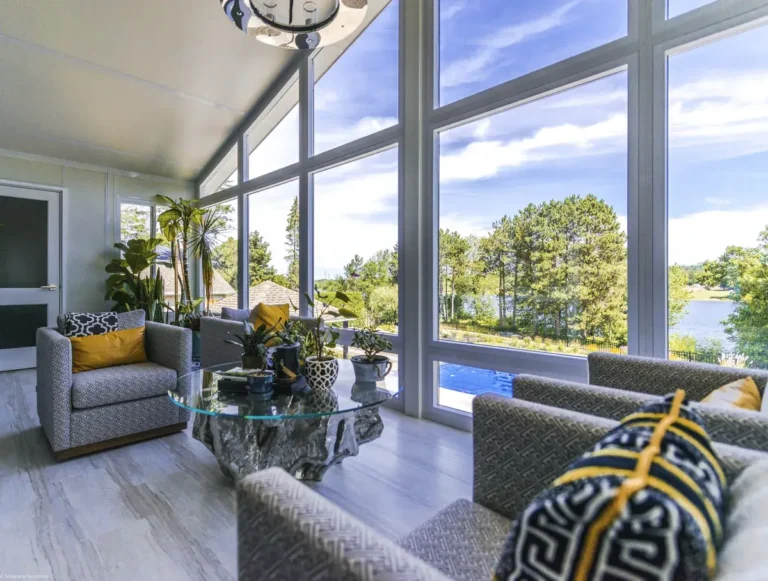
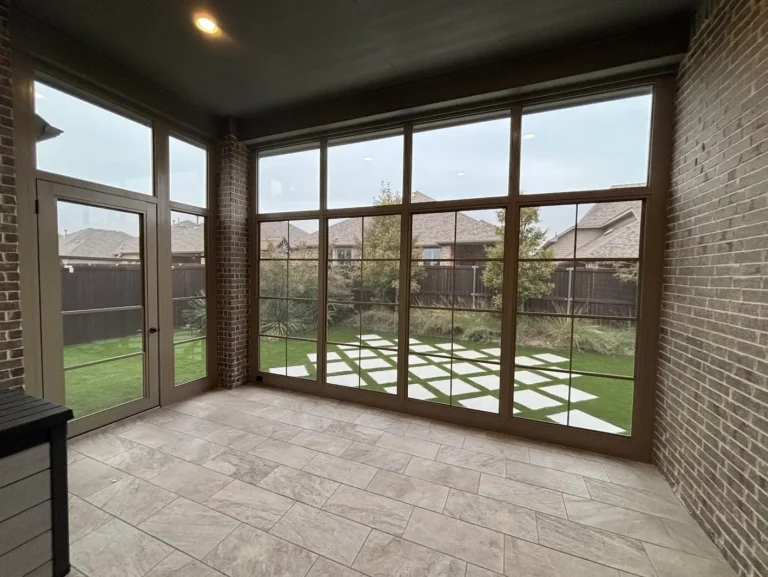
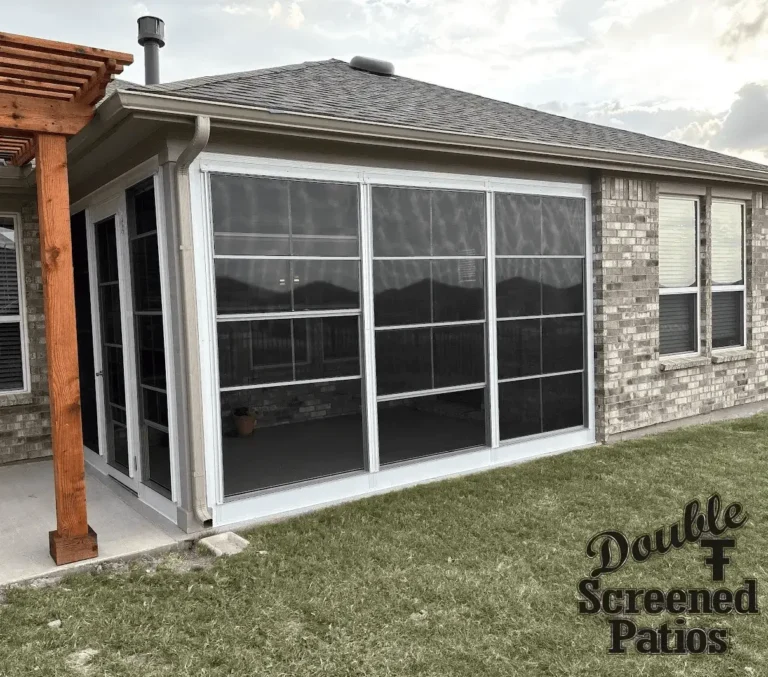
“Sunroom” can mean different builds in DFW. It could be a screened enclosure. It could be a three-season room. Or it could be a fully conditioned room tied into HVAC.
Also, the house itself changes the scope. Roof slope, slab condition, drainage, and tie-in details affect labor and materials. So, two similar homes can still get different bids.
Finally, contractors write quotes in different styles. Some list everything. Others use broad allowances. However, allowances can hide the real total until the job starts.
What a Complete Sunroom Quote Should Include
A strong quote reads like a simple plan. It reduces guesswork. It also shows who’s responsible for each task.
Before comparing prices, confirm each bid describes the same project. If the scope differs, totals will differ too.
Scope Details that must be Written down
These items are basic, although they’re often missing. So, use this list as a pass fail check.
Look for:
- Sunroom type: screened, three-season, four-season, or conditioned.
- Exact size: width, depth, and wall height.
- Foundation plan: existing slab vs new slab, plus footings if needed.
- Attachment plan: how it connects to the home.
- Water control plan: flashing, gutters, and drainage path.
- Demo and haul off: what gets removed and who disposes of it.
- Finish limits: trim, paint, siding match, and touch up areas.
If these are vague, the price is usually vague too. And that’s where budget creep starts.
Materials and Comfort Specs to Confirm
Two bids can look close, but the rooms can feel very different. Comfort comes from the built parts, not the brochure.
Ask for written details on:
- Framing type and thickness.
- Roof build and insulation level if insulated.
- Windows and doors: glass type and frame type.
- Screens if screened: mesh type and door hardware.
- Electrical scope: outlets, switches, lights, and any new circuit work.
Also, confirm licensed trade work. Dallas states that electrical work must be performed by a licensed electrician, and plumbing or mechanical work requires properly licensed contractors under Texas licensing laws. If you want to verify licenses, Texas offers a public lookup through TDLR’s “Search / Verify Licenses” tool.
Timeline, Payments, and Warranty
Paperwork matters as much as materials. So, check these items early.
Look for:
- Estimated start window and estimated duration.
- Payment schedule tied to milestones.
- Written warranty terms for workmanship and products.
- Cleanup plan and site protection, especially near pools or landscaping.
Also, a clear schedule often signals clear planning.
How to Compare Bids using the Same Rules
Comparing bids works best when each contractor is pricing the same scope. So, set a standard and make each quote match it.
Step 1: Make a Shared Scope Sheet
This is the anchor for every bid. It helps prevent “same room, different assumptions.”
Include:
- Dimensions and intended use.
- Roof style and ceiling finish preference.
- Window count and door type.
- Electrical needs are even if simple.
Then send the same scope sheet to each bidder. Now the totals mean more.
Step 2: Re-group Pricing into Common Buckets
Quotes come in different formats. However, you can still sort them into the same categories.
Use buckets like:
- Structure and framing
- Roof system
- Windows and doors
- Electrical
- Trim and finishes
- Permits and inspections
- Demo, haul off, and site protection
- Allowances and contingencies
Step 3: Treat Allowances as “Not Final”
Allowances aren’t wrong. They’re just placeholders. So, they need context.
Common allowance areas:
- Light fixtures
- Windows and doors
- Paint or finish materials
- Concrete work if site conditions are unknown
Ask one direct question to your local sunroom contractor in Dallas-Fort Worth: “What is this allowance based on?” If there’s no basis, it’s a guess.
Step 4: Lock down Change Order Rules
This is where budgets often get hit. The quote starts clean. Then extra charges show up.
Ask each contractor:
- What triggers a change order?
- How pricing is calculated.
- How approval happens in writing.
- Whether labor rates and markups are stated up front.
Also, be careful with a big low bid. It may be missing scope, not “better.”
Step 5: Confirm Permits and Inspections in Writing
Permits can affect cost and timing. So, the bid should state who handles them.
Dallas’ Building Inspection FAQs say permits are generally needed for work involving structural elements, and they list some exemptions. For example, Dallas lists patio covers under 200 square feet as potentially exempt under certain conditions, and it notes setback limits. However, an enclosed sunroom with attachments or electrical work is usually more involved than a simple cover.
In each bid, look for a clear line that states:
- Who pulls the permit?
- Who schedules inspections?
- What happens if plans are rejected?
Red Flags that can Raise the Final Cost
Most quote problems show up early. So, scan for gaps that lead to later add-ons.
Watch for:
- One total price with no scope breakdown.
- No mention of flashing or water control.
- “Electrical by others,” even though outlets and lights are expected.
- “Standard windows” with no brand or specs.
- A payment plan that collects most of the money before real progress.
Also, if answers won’t be written down, that’s a risk.
Quick Sunroom Quote Comparison Table
Use this to keep the review simple. Also, it helps keep focus on scope, not just price.
| Quote item | What to look for | What can go wrong |
| Scope and drawings | Size, layout, and clear inclusions | Missing demo, vague boundaries |
| Roof and insulation | Roof build listed, insulation stated | No insulation detail, unclear ceiling finish |
| Windows and doors | Brand or model specs and quantities | “Standard” with no glass info |
| Electrical | Outlets, lights, circuit plan | Excluded or buried in allowance |
| Permits and inspections | Responsibility stated | “Owner handles” with no guidance |
| Warranty | Written terms by category | Verbal promises only |
FAQ: Common DFW Questions
Do sunrooms in Dallas-Fort Worth usually need a permit?
Often, yes, especially for attached or enclosed work and anything structural. Dallas lists some limited exemptions, such as certain patio covers under 200 square feet when conditions are met.
Why is one quote much cheaper?
Usually, it’s missing scope. It might skip electrical, permits, insulation, or water control. Also, it may rely on large allowances.
What should be checked first in a sunroom quote?
Start with scope and size. Then confirm the roof build, window specs, and electrical plan. After that, review permit responsibility and change order rules.
How can a homeowner verify an electrician is licensed in Texas?
Use the Texas Department of Licensing and Regulation license search tool to look up and verify license status.
Next Steps before Signing
Now it’s about certainty. So, tighten loose ends before the contract.
Do this next:
- Ask each bidder to revise the quote to match the same scope sheet.
- Confirm city permit rules and HOA requirements before signing.
- Verify who is doing electrical work and check licensing where required.
- Pick the clearest, most complete bid, then weigh the price.
If a second opinion would help, a quick consult with Double T Screened Patios can flag missing scope before it becomes a change order.