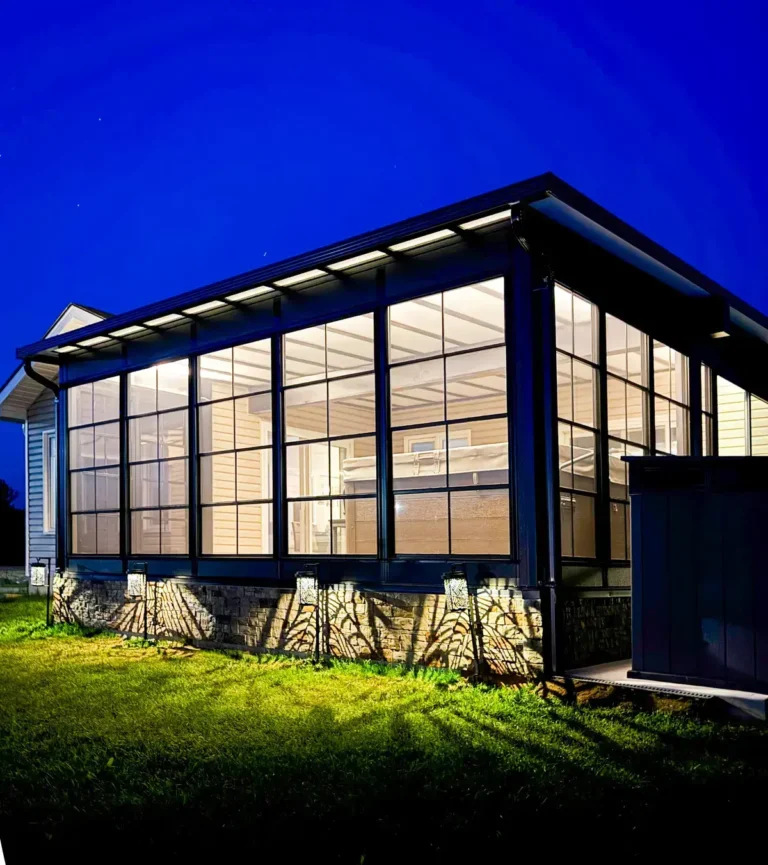
Sunroom Payment Schedule Guide: When to Pay Your North Texas Contractor
A sunroom project in Dallas-Fort Worth often feels simple until the payment schedule shows up. Pay too much too early, and risk goes up. Pay too late, and the job can slow down.
The goal is to tie each payment to visible progress and basic proof, so you stay in control without slowing the build. If you’re still finalizing the layout, roof style, or window package, a Sunroom consultation in Dallas-Fort Worth can help confirm the scope so the payment schedule matches the real plan.
This guide is here to make the money part feel simple. You’ll get a clear way to structure deposits, progress payments, and final payment so they match real milestones, real materials, and real inspections.
Table of Contents
What Should a Payment Schedule Do?
A payment schedule should match money to progress. It should also reduce surprises.
A solid plan does three things:
- Fund materials and labor so work keeps moving.
- Avoids paying ahead of what’s complete.
- Defines “done” so there’s less arguing later.
Also, Texas consumer guidance says not to pay the full project amount up front. Instead, it recommends setting the contract so you pay only for work that has been completed.
What’s Normal for Sunrooms in DFW?
Sunrooms have more moving parts than a basic patio cover. So, payment timing usually needs more steps.
Most projects include:
- Design and permitting.
- Long lead materials like windows, doors, and roof systems.
- Inspections that can pause the next phase.
Also, Dallas-Fort Worth weather can be rough on outdoor builds. Heat and storms are common. So, it helps to pay by milestones that support quality checks.
Which Milestones Should Trigger Payments?
The best rule is simple. Every payment should match something you can verify. Below are the milestones that tend to work well on sunroom projects.
Design and Permits
This phase can include field measurements, drawings, engineering, and permit submittals. It’s work, even if the yard still looks the same.
Common payment points here are:
- A smaller deposit at signing to start plans and reserve a spot.
- A payment after permit approval, when materials can be released.
If your project is a homestead improvement over $5,000, Texas guidance says the contractor must deposit your payments in a construction account at a financial institution. It also suggests asking for written proof that the construction account exists.
Materials Ordered and Delivered
This is where many homeowners feel nervous. That’s normal.
Custom windows and doors often require supplier deposits. So, some payment before installation can be reasonable.
Still, define the milestone in plain words, such as:
- Materials ordered, with a supplier invoice or confirmation.
- Materials delivered to the jobsite, with a delivery receipt.
- Materials delivered and checked, so damage is documented fast.
Also, “ordered” is harder to prove than “delivered.” So ask for paperwork if you’re paying for what was ordered.”
Construction Progress and Inspections
Once crews start, progress is easier to see. That’s where progress payments make sense.
Common milestones include:
- Footings and slab work are complete, and inspection has passed if required.
- Frame and roof structure set.
- Windows and doors installed.
- Electrical rough-in and final, if electrical is included.
- Trim, sealing, and punch list work are complete.
Inspections matter because they confirm work before it gets covered. So, it’s fair to tie some payments to past inspections.
Sample Sunroom Payment Schedule Table
Every project is different. Still, many payment schedules follow a similar shape.
| Project Stage | What “Done” Means | Typical Payment Range |
| Contract signing | Scope and specs agreed, start window set | 10% to 15% |
| Plans and permit submission | Drawings complete and submitted | 5% to 10% |
| Permit approval and materials ordered | Permit issued, long lead items released | 20% to 30% |
| Materials delivered | Major components on site | 15% to 20% |
| Structure installed | Frame and roof system set | 15% to 20% |
| Weather tight | Windows and doors in, sealed | 10% to 15% |
| Substantial completion | Main work complete, space usable | 5% to 10% |
| Final completion | Punch list done, closeout docs delivered | Holdback released |
Texas Note on the 10% Reserve
Texas Property Code Section 53.101 says the owner must reserve 10% of the contract price, or 10% of the value of the work, during construction and for 30 days after completion.
That doesn’t mean every contract must label it “retainage.” However, it does mean that holdbacks and lien risk should be discussed early.
How to Keep Payments Fair and Low Stress
Payment stress usually comes from one issue. The milestone is vague. So, tighten each stage. Make it easy to check.
What Proof Should You Ask for Before Paying?
Keep it basic and consistent.
Ask for:
- Permits: A copy of the permit or the permit number.
- Special order items: Supplier invoice, confirmation, or receipt.
- Inspections: A passed inspection record is issued if one is issued.
- Progress: Dated photos if you can’t visit the site.
Texas guidance also recommends keeping all project paperwork in one place. It includes contracts, change orders, correspondence, and a record of payments. It also suggests taking photos as the job progresses.
How Do Lien Waivers Fit In?
Lien waivers help show who has been paid. They can also reduce surprise claims.
For larger progress payments, it’s reasonable to request:
- A lien waiver from the contractor for the amount paid.
- Conditional lien waivers from key subs or suppliers for that same period.
Texas guidance warns that if a contractor fails to pay subcontractors and suppliers, the homeowner can still be responsible, and the property may be subject to a lien for the unpaid amount.
How Should Change Orders Be Paid?
Changes are common in sunrooms. Outlets get added. Doors get upgraded. Screens become windows.
Handle changes before money moves:
- Put the change in writing with the price and time impact.
- Sign it before extra work starts.
- Pay it either at signing or in the next progress payment.
Texas guidance also calls out change orders as something the contract should explain clearly.
Payment Red Flags to Watch
Some payment schedules create risk fast. If you see these, slow down.
Watch for:
- A large deposit with no clear deliverables.
- Payments based on dates instead of progress.
- Final payment due before punch list completion.
- Vague stages like “phase two” with no detail.
- Pressure to pay cash.
Texas guidance specifically says not to pay the full amount for the project up front.
What Should Happen Before Final Payment?
Final payment should come after verification. Keep it checklist-driven.
Before releasing the last payment, confirm:
- Punch list items are complete and approved.
- Warranty info is in writing, including who backs materials and workmanship.
- Final inspections are complete if your city requires them.
- Proof exists that subs and suppliers have been paid.
- The site is cleaned up, and you’ve inspected the work.
Texas guidance recommends using a sign-off checklist before final payment.
Also, permits matter in Dallas. The City of Dallas describes a residential permit as official approval that allows construction and helps ensure the project meets safety codes and building standards.
FAQs About Sunroom Payment Schedules
How much deposit is normal for a sunroom in DFW?
Often 10% to 15% at signing, with additional payments tied to permits and material orders. It depends on the scope and lead times.
Should a contractor be paid before materials arrive?
Sometimes, yes. However, ask for supplier paperwork if you’re paying at “materials ordered.”
Is it okay to hold back money until the punch list is done?
Yes. Also, Texas guidance supports using a sign-off checklist and verifying contract standards before final payment.
What is the Texas 10% reserve rule?
Section 53.101 says the owner must reserve 10% during construction and for 30 days after completion.
What if a contractor asks for full payment up front?
That’s a major red flag. Texas guidance says not to pay the full amount up front and to pay for work completed.
Next Step: Get a Quick Payment Schedule Review
If your sunroom quote has a payment schedule that feels unclear, a fast review can help. Share the scope, materials list, and payment milestones with Double T Screened Patios. You’ll get practical feedback on what to clarify before signing.
This guide is for informational purposes and does not constitute legal advice. Consult with a professional for your specific project needs.