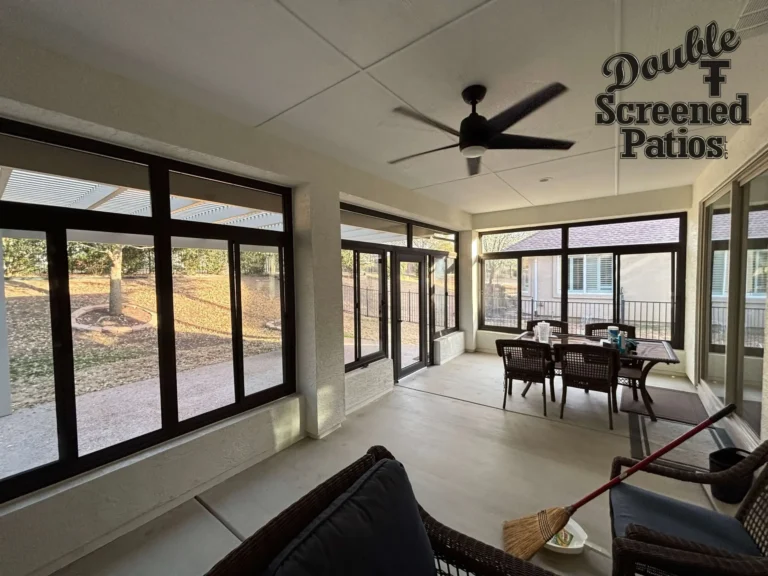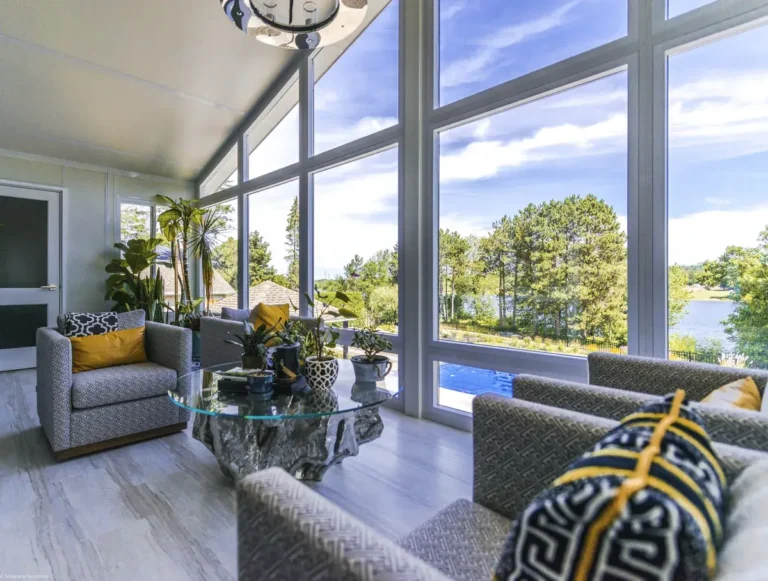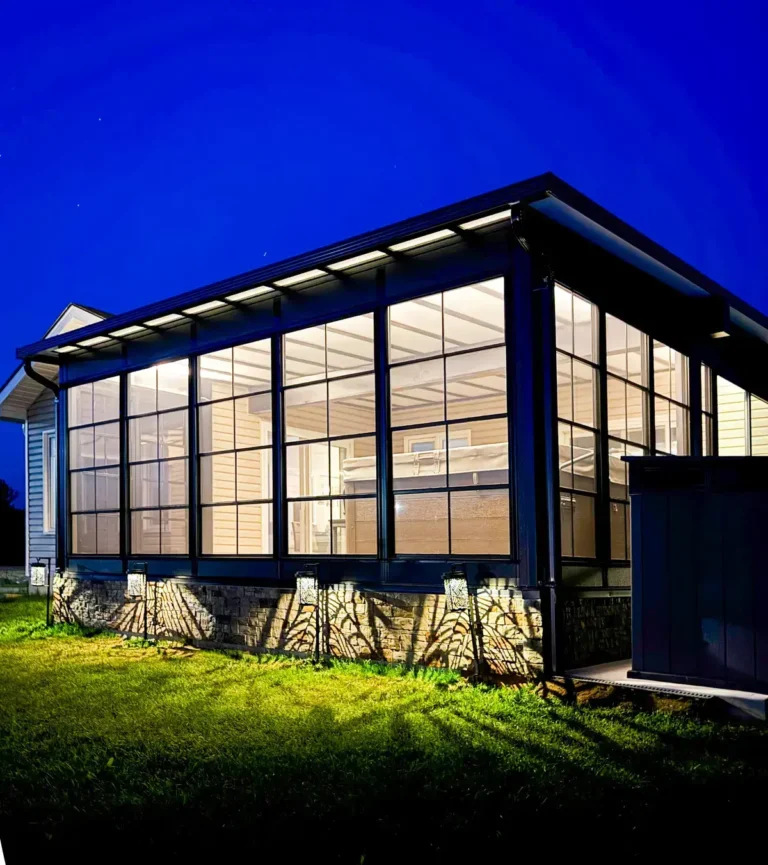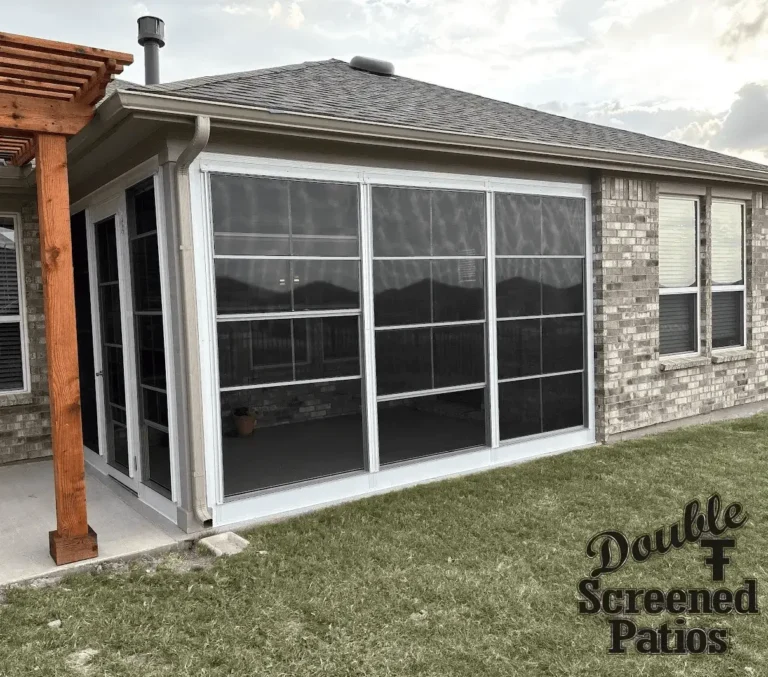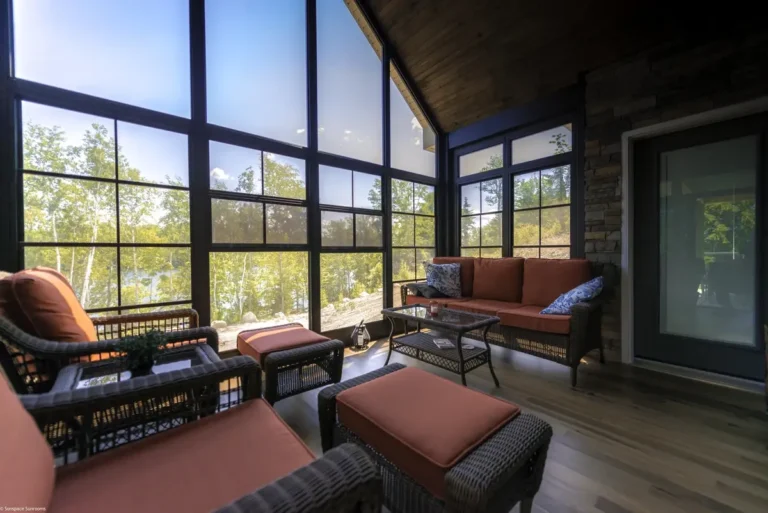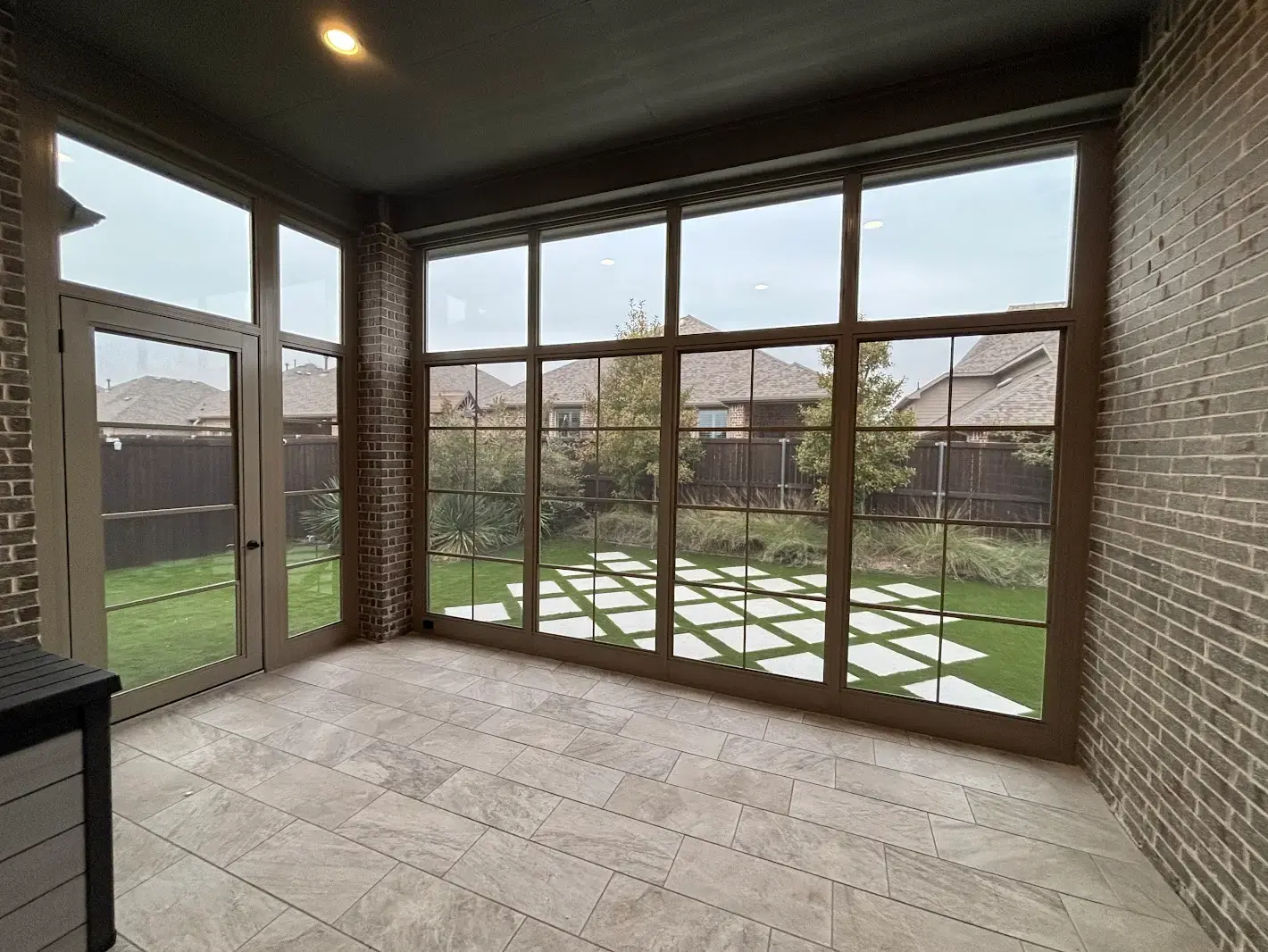
Preparing Your North Texas Home for Sunroom Installation: Complete Checklist
A sunroom can feel like a quick add-on until permits, drainage, slabs, and buried lines show up. Those surprises can slow the schedule and raise the price.
This checklist helps Dallas Fort Worth homeowners prep the home and yard so the install runs smoother, with fewer reworks and fewer delays. In this guide, you’ll find a complete checklist for preparing your North Texas home for sunroom installation.
If you’re comparing Sunroom installers in Dallas-Fort Worth, use this list during site visits and bids.
What To Decide First (So The Design Fits)
Before drawings are final, decide how the room will be used. Otherwise, a “bright bonus space” can end up too hot, too dark, or awkward to furnish.
North Texas heat is a big factor. In peak summer, Dallas-Fort Worth often sees daytime highs in the 90s and can hit 100 degrees or more, so glass, shade, and cooling choices matter early.
Quick goal checklist:
- Months of comfortable use each year.
- Main use, such as dining, lounging, plants, or an office.
- Noise needs, especially for calls.
- Sun direction and the strongest afternoon exposure.
Three Season Vs Four Season (Fast Table)
This choice impacts insulation and HVAC planning. It can also change permitting and electrical needs.
| Item | Three Season Sunroom | Four Season Sunroom |
| Comfort approach | Fans, shades, mild weather use | Planned heating and cooling for regular use |
| Best fit | Spring and fall days | Year-round comfort in heat swings |
| Build focus | Simpler envelope | More sealing and insulation |
What To Check With The City (Before Paying For Final Plans)
A sunroom can change the home footprint, roofline, and electrical load. Because of that, many cities treat it like an addition, not a simple patio upgrade.
Start with your city’s residential permitting and inspections page. The City of Dallas explains residential permits as official approvals for construction or renovation, tied to safety code compliance.
Pre-design checks:
- Confirm setbacks and easements.
- Ask what plan sets are required for review.
- Confirm if separate permits apply for electrical, HVAC, or plumbing.
- Ask how inspections are scheduled and what gets inspected.
For more information, visit the Dallas residential permitting and inspections page.
How To Walk The Site (And Avoid Surprises)
A simple site walk prevents most “we didn’t see that” issues. Start with water, then access, then the tie-in points.
Site checklist:
- Drainage: Where does water flow after heavy rain?
- Existing slab or patio: Is it level and well-drained?
- Roof tie-in area: Any past leak stains or soft spots?
- Exterior wall: Siding, brick, and flashing condition.
- Trees: Shade helps, although roots and branches can affect footings.
North Texas Soil And Foundation Notes
Texas soil can move with moisture changes. Expansive clay can swell when wet and shrink when dry, which can stress foundations over time. So drainage and foundation planning should be reviewed together, not as separate items.
Pause and investigate if you already see:
- Doors that stick in certain seasons.
- Cracks that change through the year.
- Floor slope near the building area.
Utilities To Plan Early (Power, Airflow, Lighting)
Sunrooms feel simple. However, comfort depends on power, lighting, and airflow. Late decisions often lead to rework.
Plan this before install week:
- Lighting with at least two zones.
- Outlets for laptops, chargers, and cleaning tools.
- Ceiling fan plan if the roof structure allows it.
- Wi-Fi coverage is required if the room will be used for work.
Also, check the electrical panel capacity early. Then any needed upgrades can happen before finishing.
Call 811 Before Digging
If the job includes footings, trenching, or drainage work, don’t guess where lines are. Texas guidance says to contact 811 two business days before digging, and the service is free. This step can prevent damaged utilities, delays, and repair bills.
Resource: Visit Texas811 for official guidance.
Prep Your Property For Install Week (So Work Moves Fast)
The install week goes better when access is clear, and staging is planned. Crews lose time when they have to move cars, furniture, or obstacles.
Install week checklist:
- Clear a wide path from the driveway to the backyard.
- Move grills, planters, and patio furniture out of the work zone.
- Protect indoor floors near the main entry path.
- Pick a staging spot that does not block gates.
- Make a pet plan for delivery and framing days.
Also, plan for end-of-day security. If an exterior wall opening is created, confirm how it will be closed each night.
FAQ
Do sunrooms need permits in Dallas-Fort Worth?
Often, yes. Rules vary by city, so check your local residential permitting and inspections page before final plans.
How hot can a sunroom get in North Texas?
It depends on glass, shade, and cooling. However, DFW summer highs are often in the 90s and can reach 100 degrees or more, so heat control should be planned early.
Should 811 be called for small footing holes?
Yes, if digging is involved. Texas guidance says to contact 811 two business days before digging, and it’s free.
What causes the most surprising costs?
Drainage issues are common. So, checking slope and runoff before plans are final can prevent redesign and water fixes later.
Is tempered glass required in a sunroom?
Often, yes, in specific locations. IRC hazardous location rules commonly apply to glass indoors and certain glass near doors.
Final Walkthrough And Punch List (Quality And Safety)
Do a full walkthrough at the end. Small details affect leaks, drafts, and long-term durability.
First, check the water after the first hard rain:
- Roof transitions and flashing lines.
- Window corners and sill areas.
- Door thresholds.
Then check safety glazing: The International Residential Code lists hazardous locations where safety glazing is required, including glazing in doors and certain glazing near doors. A practical field check is to look for the tempered marking on glass where required.
Punch list:
- Doors latch and seal evenly.
- Windows open, close, and lock smoothly.
- No visible gaps at trim or transitions.
- Sealant is continuous at key joints.
Keep permit and inspection paperwork if your city requires it.If the plan feels close but not fully locked, Double T Patios can review the prep list and site layout before install week.