Is a Sunroom Worth It in Dallas-Fort Worth? ROI Analysis for Texas Markets
A patio can look great and still sit empty most of the year. In Dallas-Fort Worth, heat, glare, bugs, and fast weather changes often push people back inside, so the real goal is adding a space that gets used and still supports resale.
This guide explains what “worth it” really means, how local weather affects comfort and costs, and how to estimate ROI for a sunroom in Dallas-Fort Worth.
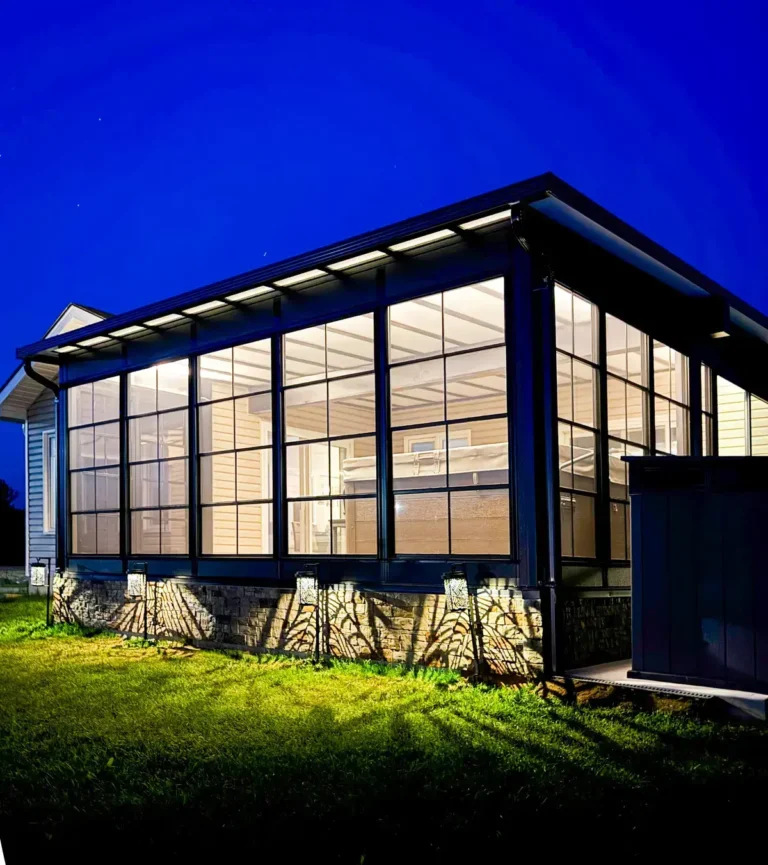
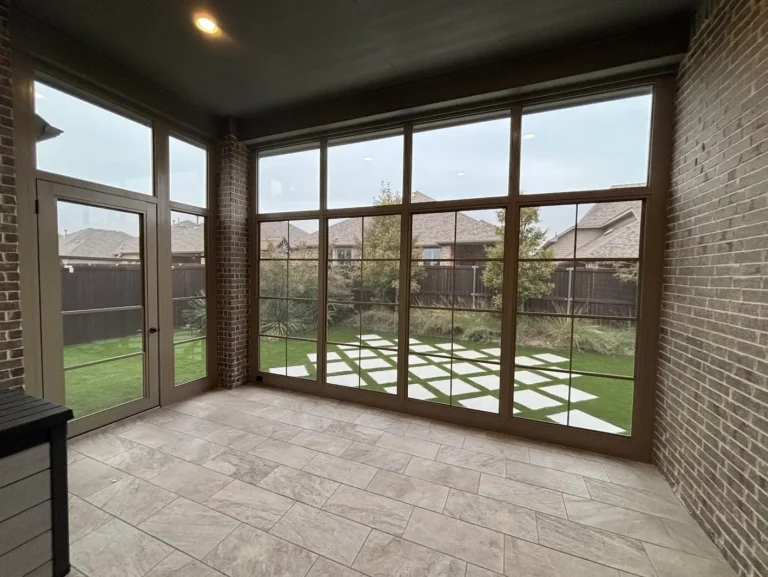
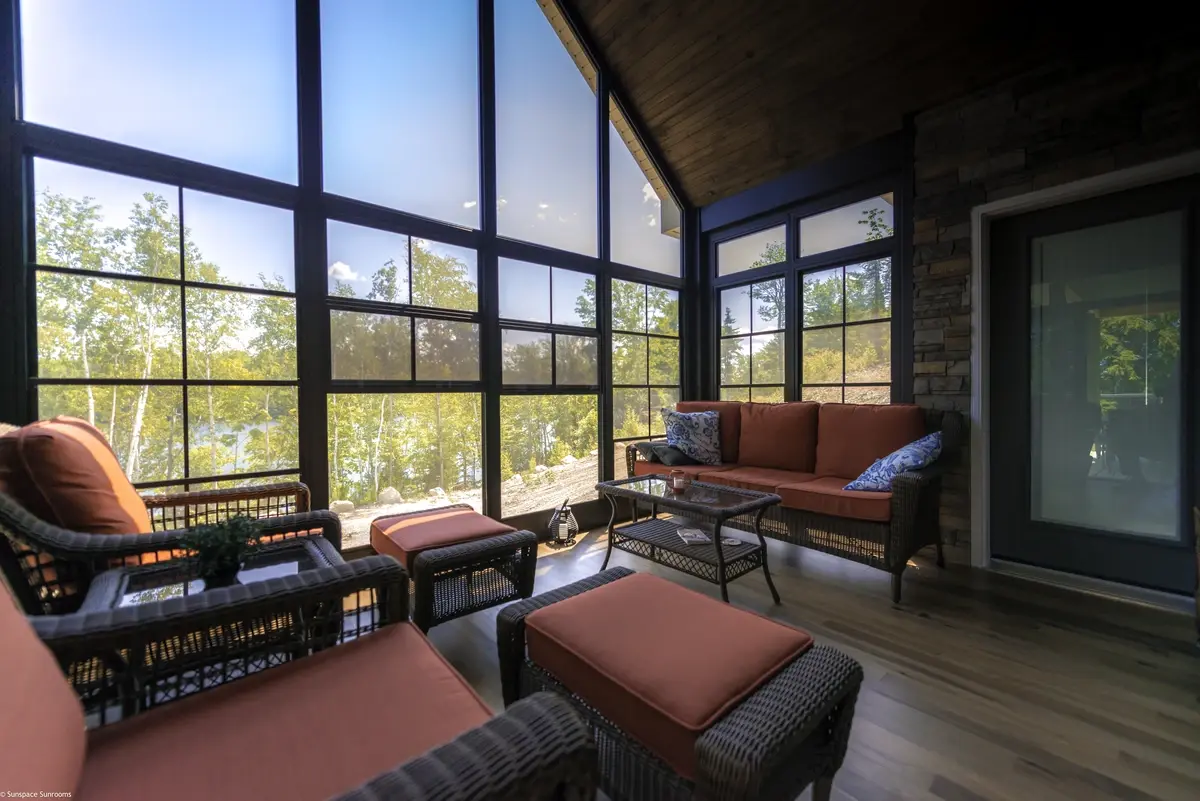
And if you’re browsing ideas and want to connect this research to a real build, this is where custom sunroom installation in Dallas-Fort Worth fits into the bigger picture for many homeowners.
What “Worth It” Means In Dallas-Fort Worth
“Worth it” usually comes down to two outcomes.
Daily use:
- A place you actually sit in. Breakfast area, workout spot, office overflow, kid zone.
Resale clarity:
- Buyers understand the space fast.
- The room feels like it belongs in the home.
If only one outcome is true, it can still be a solid choice. However, expectations should match the reason for building.
How Dallas Fort Worth Weather Changes Sunroom ROI
Dallas-Fort Worth has hot, humid summers, and July and August often run in the 90s with frequent 100-degree days. Because of that, too much unmanaged glass can overheat quickly.
Severe storms are also part of the region’s reality, including threats like large hail and damaging winds. So, build quality and water control details matter for long-term upkeep.
Why Sun Direction Matters Here
South and west-facing rooms often need more cooling, especially in summer afternoons.
For better comfort, plans often include:
- Solar control glass or coatings.
- Shade planning for late-day sun.
- Venting that creates real airflow in spring and fall.
Dallas Permit Basics To Know
Permits can affect cost and schedule, so it helps to check early.
The City of Dallas notes that permits are generally needed for many projects that involve work on structures, and its FAQ describes permit requirements and exceptions. The city also lists common exceptions, such as certain patio covers under 200 square feet for single-family and duplex properties, with zoning and district caveats.
Because rules can vary by location and overlay districts, confirm requirements before final plans.
Sunroom ROI Ranges In Texas Markets
ROI ranges are helpful, but they are not guarantees.
Angi estimates sunroom ROI often ranges from about 20% for a screen room to about 50% for a three-season or four-season room. Angi also states sunroom additions often cost about $150 to $300 per square foot, depending on scope and features.
What tends to improve ROI:
- Better comfort in peak summer.
- A clean match to the home’s design.
- Finishes that look permanent, not temporary.
Angi also notes that sunrooms integrated with the home’s design and materials tend to bring higher ROI than mismatched builds.
Which Sunroom Type Fits DFW Best?
Each type has a different “best use” in North Texas.
| Sunroom Type | Best Use In Dallas-Fort Worth | Typical ROI Range |
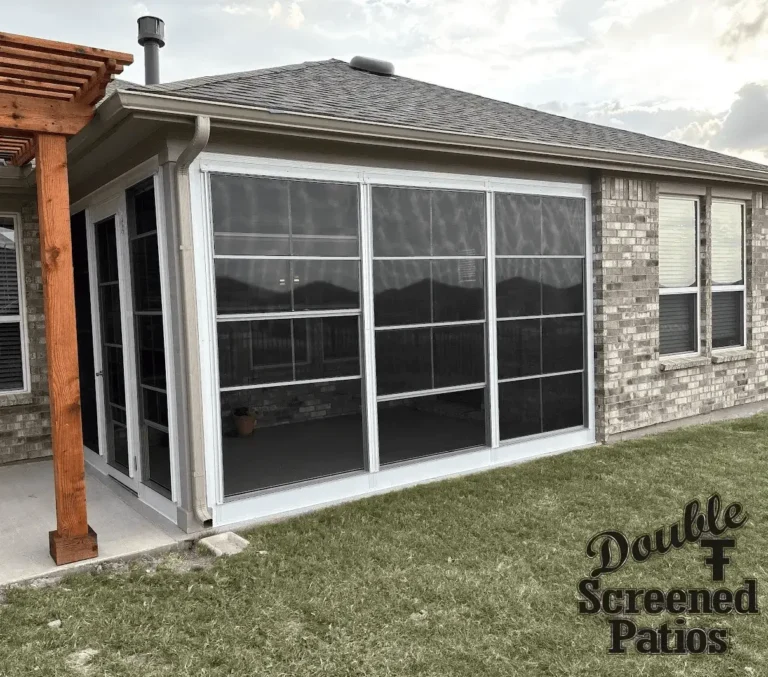
| Screen room | Bugs out, breeze in, mainly spring and fall | About 20% on average |
| Three-season room | Extra living space for shoulder seasons | Up to about 50% on average |
| Four-season room | Year-round flex space with heating and cooling | Up to about 50% on average |
A screen room can be the lowest cost. However, it may feel more optional to buyers.
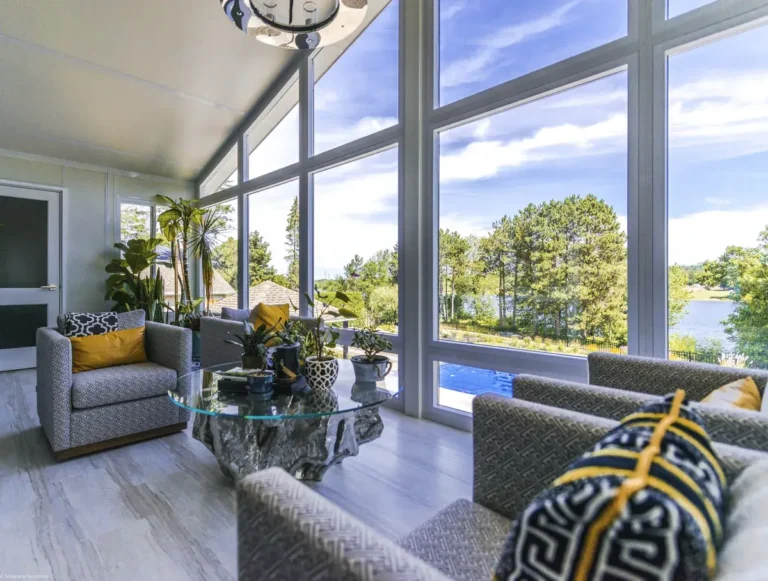
A four-season room costs more. Still, it can feel closer to a true living space when comfort is handled well.
A Simple ROI Worksheet
Start with two numbers:
- Total project cost.
- Expected resale value increase.
Angi lists resale value ranges by size, such as:
- 100 sq ft: $3,000 to $15,000.
- 200 sq ft: $6,000 to $30,000.
Then calculate:
- Estimated ROI % = (Estimated resale value increase ÷ Project cost) × 100
Also consider “use value.” If the room replaces a daily habit, it can feel worth it even with a moderate resale return.
Design Choices That Protect ROI In North Texas Heat
Heat control is usually the make-or-break factor. So focus on glass performance, shade, and airflow.
Angi notes that higher sun exposure, especially for south and west-facing rooms, can increase cooling needs.
Glass Specs That Help In DFW
Texas energy guidance places Dallas-Fort Worth in Climate Zone 3 and lists maximums of U-factor 0.35 and SHGC 0.25 for Zone 3 windows. That makes U-factor and SHGC useful numbers to compare when picking windows and doors.
Airflow That Makes The Room Usable
Comfort features that often help:
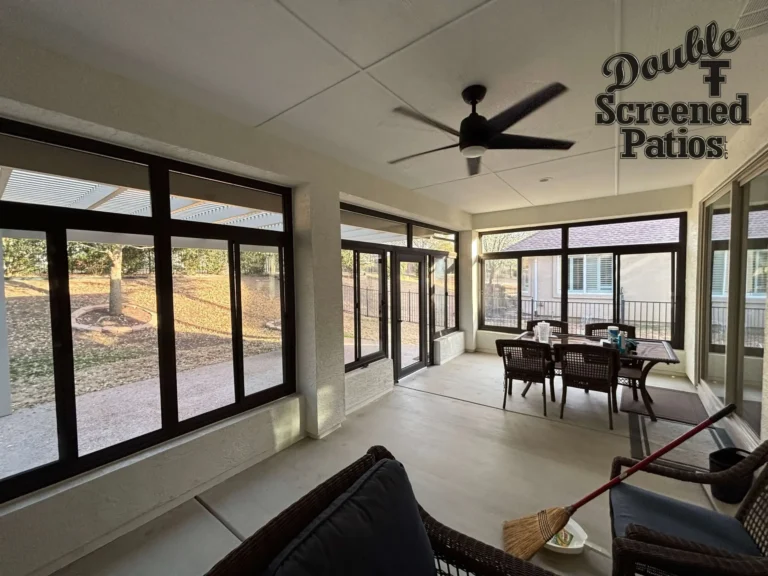
- Operable windows placed for cross-breeze.
- Screens for spring and fall airflow.
- Ceiling fans sized for the space.
Roof And Storm Durability
More glass can look great. However, a more insulated roof can help control summer heat.
For storm season, plan for:
- Strong framing and secure connections.
- Clean water control at transitions.
- Materials that hold up to UV and heat cycles.
When A Sunroom Makes Sense, And When To Pause
A sunroom is often a good fit if:
- The patio goes unused because it’s too hot or too buggy.
- The home needs one more flexible space.
- The plan includes heat control, not just more glass.
Pause and rethink if:
- The yard is small, and losing open space hurts function.
- The plan is west-facing with no shade strategy.
- The expectation is 100% payback at resale, since typical ROI ranges are lower.
What A Good Quote Should Include
A clear quote helps prevent surprise add-ons later.
Look for scope broken into:
- Structure and foundation.
- Window and door package.
- Electrical and lighting.
- HVAC approach if needed.
- Interior finish level and tie in to the home.
Also, ask how permits are handled, since Dallas requirements can vary by project and location.
FAQ
Do sunrooms add value in Dallas-Fort Worth?
Often, yes, but returns are usually partial. Angi estimates about 20% ROI for screen rooms and up to about 50% for three-season or four-season rooms.
Do I need a permit for a sunroom in Dallas?
Often, yes, for projects that involve structural work, and the City of Dallas outlines permit requirements and exceptions in its inspection FAQs.
What’s the biggest comfort risk in DFW?
Overheating, especially with south or west-facing glass, since those rooms can need more cooling in summer afternoons.
What window numbers should I look for around DFW?
Texas energy guidance lists Zone 3 maximums of U factor 0.35 and SHGC 0.25 for windows.
Get A Quick ROI Review
If you want a clearer answer for your home, a short plan review can help. Bring a sketch, rough size, and which direction the room will face, and Double T Screened Patios can help you sanity check comfort features, permit questions, and ROI trade-offs before you commit.