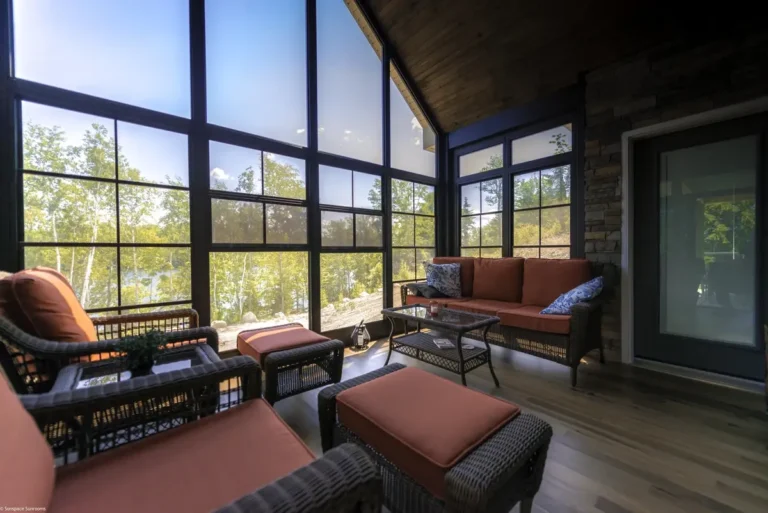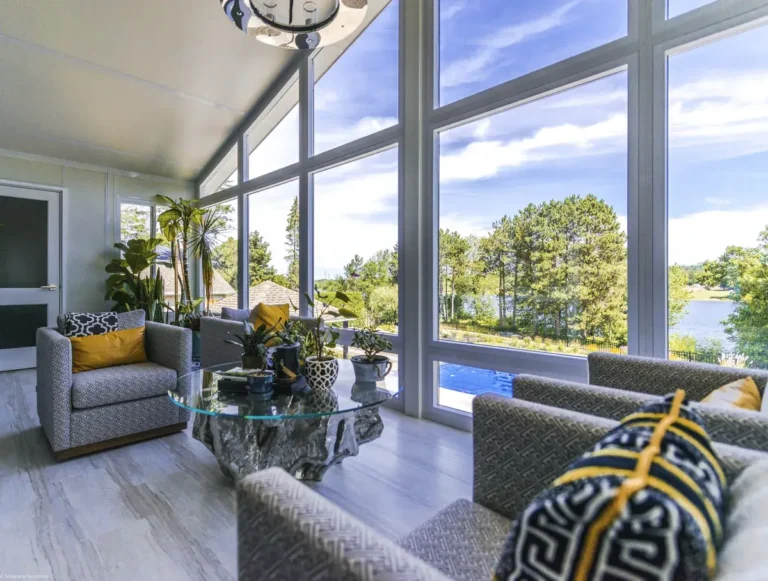
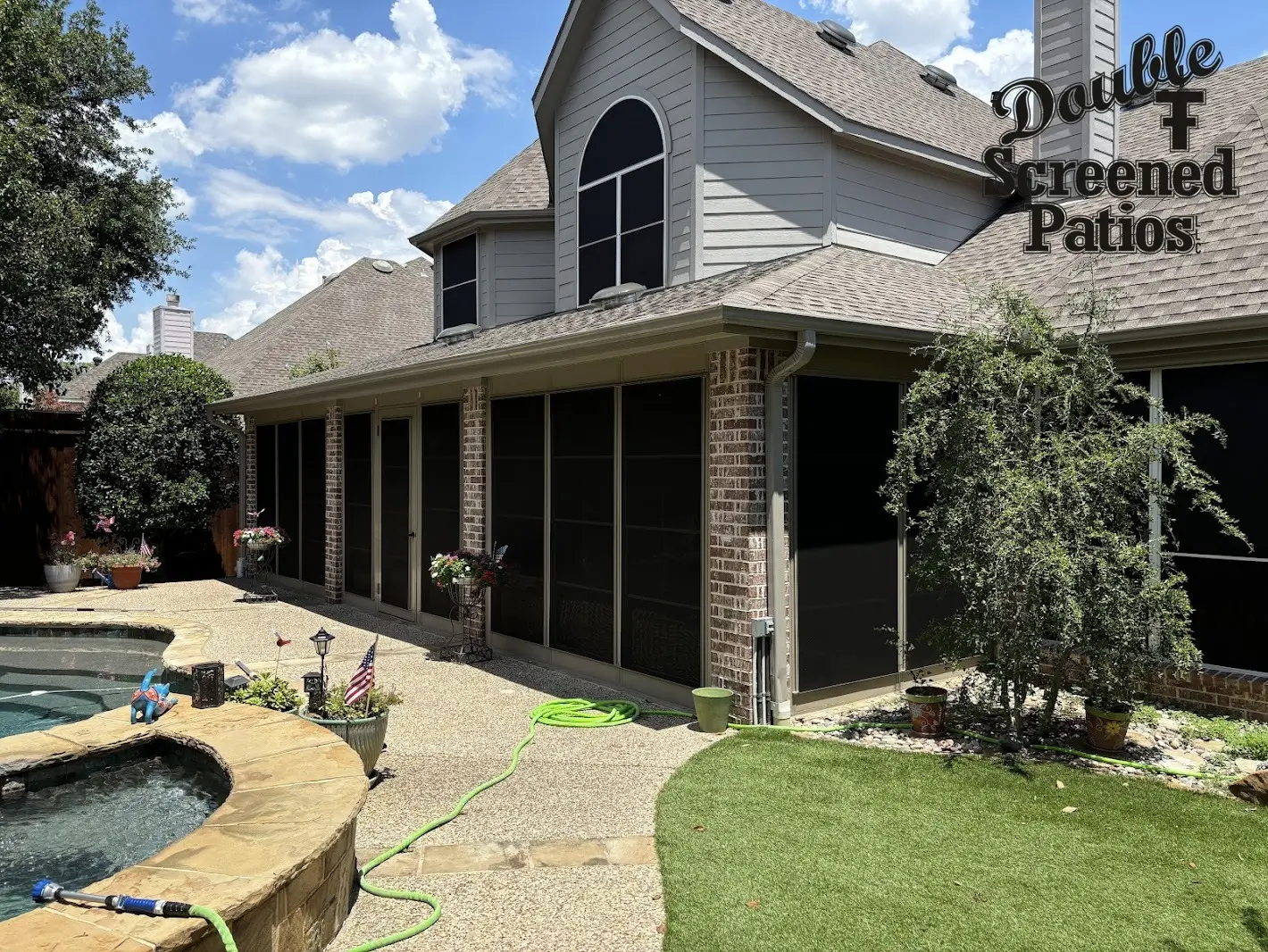
How Much Does a 20×20 Sunroom Cost in Collin & Denton Counties?
A 20×20 sunroom is one of the most popular sizes for Collin & Denton Counties homeowners, and it’s easy to see why. At 400 square feet, it’s large enough to function as a true bonus room but manageable enough for most residential lots. The problem is that when you search for pricing online, the numbers you find are all over the map. National sites throw out ranges anywhere from $15,000 to $80,000 without explaining what actually drives the difference.
The real answer depends on which type of sunroom you’re building, your site conditions, and what your contractor includes in the quote. As custom sunroom installers in Collin & Denton Counties, we’ve priced hundreds of these projects in this market. This guide gives you an honest breakdown so you can plan your budget with confidence.
What You’re Actually Paying For at 400 Square Feet
If you’d like a more accurate number for your specific setup, feel free to reach out to a specialist for a no-pressure conversation.
A 20×20 sunroom isn’t just four walls and a roof. It’s a fully engineered structure that ties into your existing home, sits on a properly prepared foundation, and has to meet local building codes for wind, snow load, and energy performance.
The four main cost components in any sunroom project are:
- Materials: the wall system, roof panels, window and door units, aluminum framing, gutters, and fascia
- Labor: design, custom fabrication, and installation
- Site preparation: foundation work, existing slab assessment, and any leveling or footer work required
- Permit fees: Sunrooms in most DFW municipalities require a building permit, and in many cases, engineered drawings
Of these, the sunroom type and wall system drive the biggest difference in total cost. That’s the most important decision you’ll make on this project.
Sunroom Types and Their Price Ranges for a 20×20
There are three primary sunroom configurations available for DFW homes. Each delivers a different level of enclosure, comfort, and year-round usability, and each lands at a meaningfully different price point.
Screen Room (Model 100)
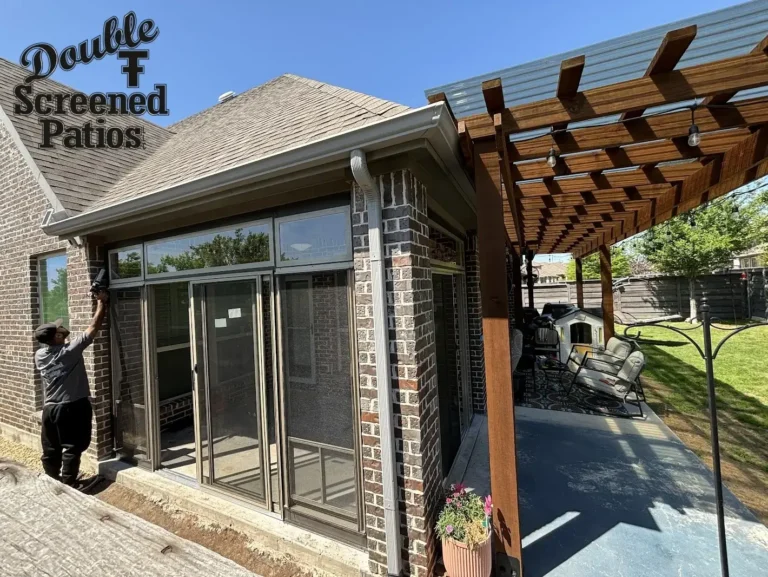
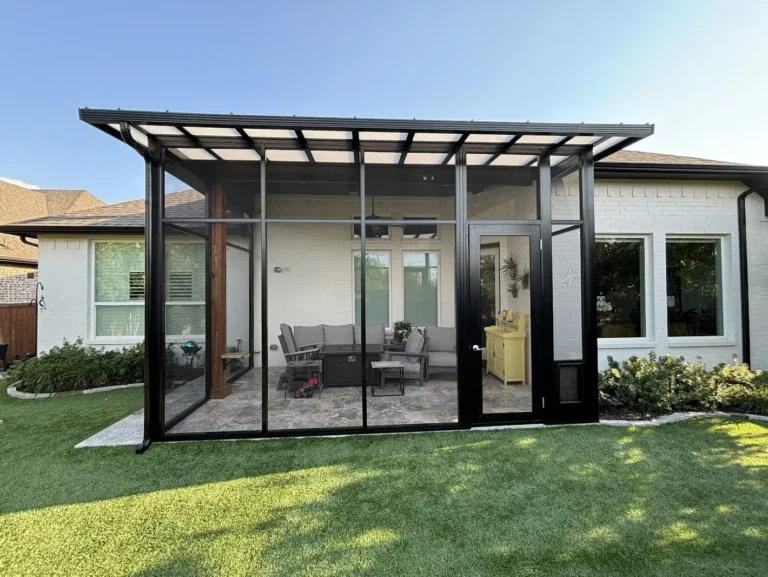
A Model 100 screen room is the most open and affordable sunroom option. It uses an aluminum frame with fiberglass mesh screen panels, giving you full protection from insects and partial protection from wind and rain while keeping the space feeling genuinely outdoors.
For a 20×20 screen room in the DFW area, expect a fully installed price in the range of $12,000 to $20,000, depending on roof system choice, post configuration, and whether the structure is attached or freestanding. It’s a practical choice for homeowners who want to extend their usable outdoor season without a major climate-control investment.
Three-Season Sunroom (Model 300)
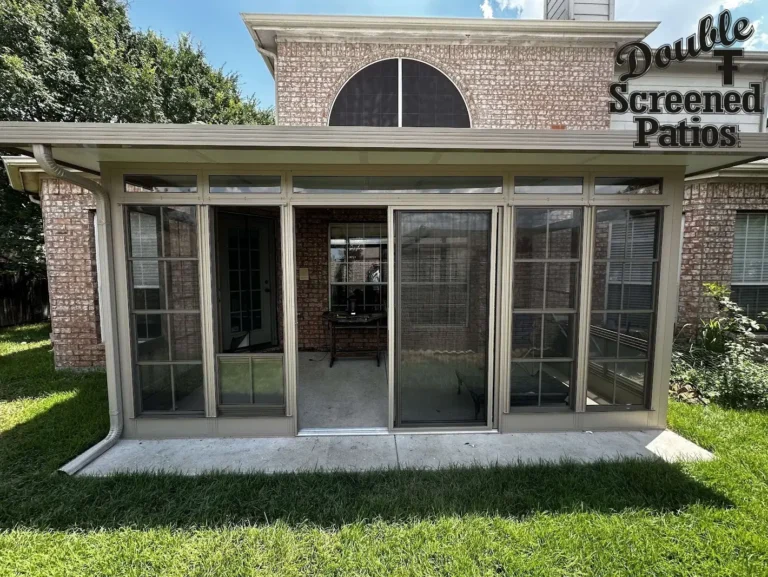
A three-season sunroom steps up significantly in comfort and enclosure. It uses extruded insulated aluminum pillars with single-glazed glass windows that open on both sides for ventilation. The roof system uses 4″ or 6″ insulated foam core panels laminated with aluminum skins, and the structure comes standard with integrated heavy-duty gutters and fascia.
For a 20×20 three-season room in DFW, a typical fully installed price runs between $25,000 and $42,000. The wider range reflects roof pitch choices, window configuration, door placement, and site complexity. It’s the most popular choice for DFW homeowners who want genuine seasonal comfort without the full cost of a climate-controlled four-season room.
Insulated Four-Season Sunroom (Model 400)
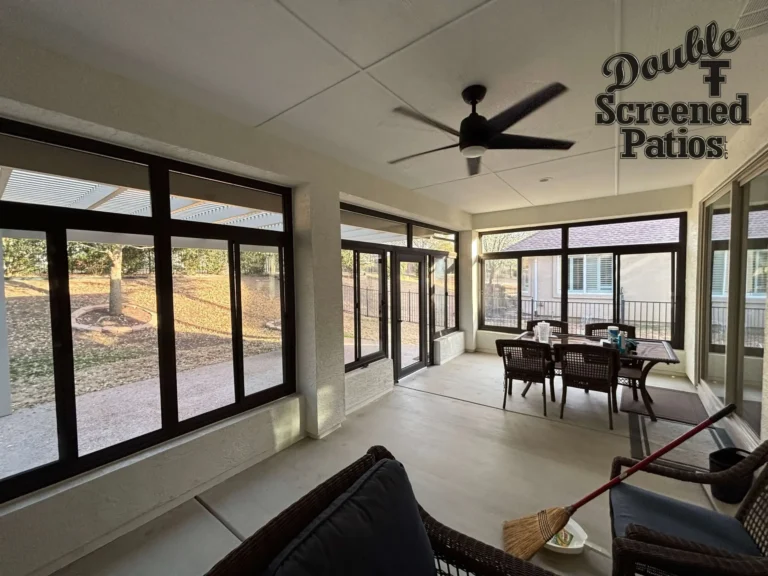
A four-season insulated sunroom is a fully conditioned living space. The wall system uses high-density 3″ foam panels with heavy-gauge aluminum extrusions that provide strong wind and snow load support. All windows are high-efficiency glass with Low-E Argon gas fills for thermal performance. The structure is designed to be connected to your home’s HVAC system and used comfortably year-round, even through DFW’s hottest summers and coldest winter nights.
For a 20×20 four-season sunroom, installed prices in the DFW market typically range from $40,000 to $70,000. The higher investment reflects the full insulation system, thermal window units, foundation requirements, and the electrical and HVAC integration work that comes with a fully conditioned room.
What Drives the Cost Up (or Down)
Even within a fixed 20×20 footprint, several factors can shift your final number significantly. Here’s what matters most:
- Sunroom type: The gap between a screen room and a four-season room at the same square footage can be $30,000 or more. Choosing the right level of enclosure for how you’ll actually use the space is the single biggest budget decision.
- Foundation condition: If your existing slab is cracked, settled, or out of level, prep work adds cost before the structure goes up. New footers on a bare lot cost more than an attachment to a sound existing slab.
- Roof system and pitch: Cathedral ceiling configurations and steeper pitches require more materials and more complex installation than a standard studio pitch roof.
- Window and door count: More operable windows and multiple door units add to both material and labor costs.
- Attachment complexity: Attaching to a home with a complex roofline, multiple stories, or stucco and brick exteriors takes more time and specialized flashing work than a simple wood-frame attachment.
- Permit and HOA requirements: Some DFW cities require engineered drawings for sunrooms. Certain HOAs have design guidelines that require specific colors, rooflines, or setback distances.
- Add-ons: Electrical rough-in, ceiling fans, sunshades, interior lighting valances, and flooring upgrades all add to the base price. Planning these at the time of installation is far more cost-effective than retrofitting them later.
20×20 Sunroom Cost at a Glance
Here’s a summary of typical installed price ranges for a 20×20 sunroom in the Collin & Denton Counties market:
| Sunroom Type | Typical Installed Range | Best For |
| Screen room | $12,000 – $20,000 | Insect protection, open-air feel, seasonal use |
| Three-season sunroom | $25,000 – $42,000 | Year-round comfort in mild weather, partial enclosure |
| Four-season insulated sunroom | $40,000 – $70,000 | Full climate control, year-round living space |
These ranges reflect a standard attached 20×20 configuration on a straightforward site. Complex rooflines, new foundation work, or significant add-ons will push numbers toward or above the upper end of each range.
Is a 20×20 the Right Size for Your Space?
It’s worth pausing here because not every project is the right fit for a 20×20. Some homeowners genuinely need more space, and others could get by with less.
A 20×20 (400 sq ft) works well as a dedicated sunroom living area. Think of a sofa, a couple of chairs, a coffee table, and still enough room to move around comfortably. If you’re planning to use it as a dining room extension as well, you’ll want to think carefully about furniture layout before settling on dimensions.
Also consider your home’s existing footprint. A 20×20 addition changes the visual profile of the back of your house. Width-to-depth ratio matters too. A 16×25 covers the same 400 square feet but may sit more naturally against a narrower wall section.
If you’re still working through whether a sunroom or a simpler patio cover makes more sense for your budget and lifestyle, the sunroom vs. patio cover cost breakdown for North Texas walks through the differences in detail.
What’s Typically Included in a Quote
One of the biggest reasons sunroom quotes vary so widely between contractors is that they don’t always cover the same scope. Before comparing numbers, confirm that each quote includes:
- Engineering and permit filing
- All materials: wall system, roof panels, windows, doors, gutters, fascia, and fasteners
- Foundation assessment and any required footer or slab work
- Full installation labor
- Cleanup and debris removal
- Manufacturer warranty documentation
A quote that looks lower on paper may be leaving out permit fees, foundation work, or the door and window units. Those gaps add up fast once the project is underway. A detailed sunroom installation quote should clearly spell out everything that’s included so you can compare bids on equal footing.
Frequently Asked Questions
Does a 20×20 sunroom require a permit in DFW?
Yes, in virtually all DFW municipalities. Sunrooms are classified as permanent additions to the home and require a building permit. Four-season rooms typically also require engineered drawings. Your installer should handle the permit filing process as part of the project scope.
How long does it take to build a 20×20 sunroom?
The overall project window from signed contract to completed installation is typically 12 to 18 weeks. That timeline includes design finalization, permit approval, material fabrication, and the installation itself. Site complexity and permit processing times in your specific city can affect the total window.
Do sunrooms add value to a home in Texas?
Generally yes. A well-built sunroom adds conditioned or semi-conditioned square footage, improves curb appeal from the backyard, and is a feature that resonates strongly with buyers in DFW, where outdoor living matters. Four-season rooms with proper insulation and HVAC integration add the most appraised value.
What’s the difference in cost between an attached and freestanding sunroom?
Attached sunrooms are typically less expensive because they use the existing home wall as one side of the structure, reducing framing, wall panels, and foundation scope. Freestanding sunrooms require a fully independent structure on all four sides, which adds materials and labor. Expect a freestanding build to run 20% to 35% higher for the same square footage.
Can a three-season sunroom be upgraded to a four-season room later?
It’s possible in some configurations, but it’s not a simple swap. A true four-season upgrade requires replacing the wall system, adding insulated panels, upgrading to thermal windows, and integrating HVAC. In most cases, building to the four-season spec from the start is more cost-effective than a later conversion. Ask your installer about this before settling on a sunroom type if you think your needs might change.
Get an Accurate Number for Your Specific Project
National pricing guides give you a starting point, but your actual number depends on your specific dimensions, your home’s construction, your site conditions, and which sunroom type fits how you plan to use the space. There’s no substitute for a site-specific quote from a local installer who knows DFW building requirements and material costs. Double T Screened Patios has been installing custom sunrooms across Collin & Denton Counties for over a decade. Reach out, and let’s get you an honest number based on your actual project.