How to Protect Your Patio Enclosure from Weather Damage in North Texas
You spent real money on your patio enclosure. Whether it’s a screen room, a sunroom, a louvered pergola, or a solid patio cover, it’s built to last. But “built to last” doesn’t mean “maintenance-free,” especially in North Texas. Collin & Denton Counties throws everything at outdoor structures: brutal summer UV, spring hailstorms, ice in winter, and high winds that swing between seasons without much warning.
The good news is that most weather damage to patio enclosures is preventable. It comes down to knowing what to look for on your specific structure type and catching small issues before they turn into expensive repairs. This guide walks you through exactly that. If you’d like a professional eye on your enclosure’s current condition, feel free to reach out to a sunroom contractor in Collin & Denton Counties for a quick assessment.
Why Collin & Denton Counties Weather is Harder on Enclosures Than Most People Expect
North Texas has one of the more punishing weather profiles in the country for outdoor structures. It’s not just the summer heat. Consider what your enclosure faces across a full calendar year:
- Summer: Sustained UV exposure above 100°F degrades screen mesh, fades vinyl, and expands and contracts frame joints repeatedly
- Spring: Hailstorms can pit acrylic panels, tear screen mesh, and crack inadequately sealed frame connections
- Fall: High winds from cold fronts can stress anchor points and loosen fasteners on pergolas and patio covers
- Winter: Ice accumulation adds unexpected load weight to roof panels, and freeze-thaw cycles work on any existing gaps in seals or caulking
Each of these threats hits differently depending on your enclosure type. That’s the key thing to understand. A screen room needs different attention than a sunroom, and both need different care from a louvered pergola.
Know Your Enclosure Type First
Before you start any maintenance routine, identify exactly what you’re working with. The four main types of patio enclosures in Collin & Denton Counties homes are:
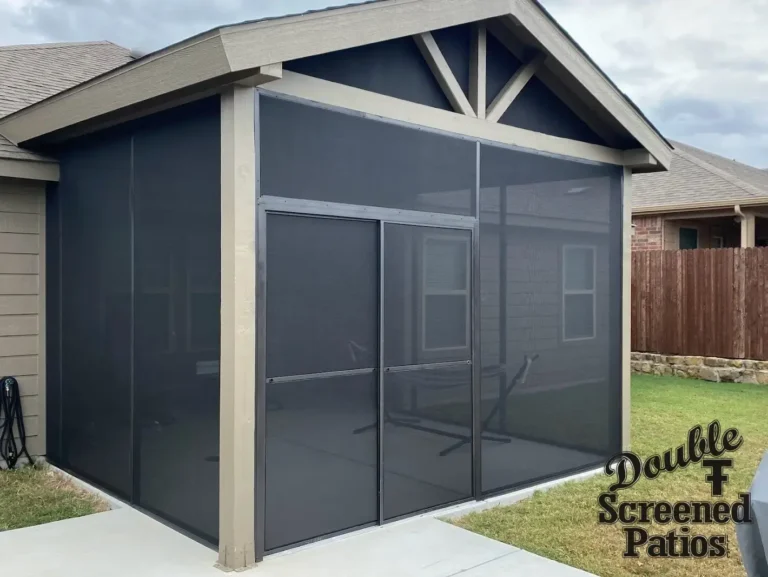
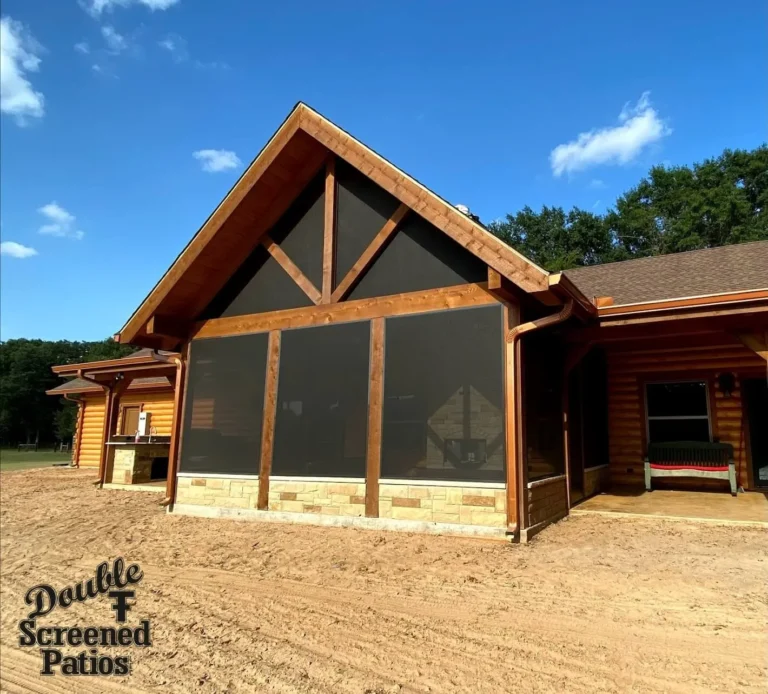
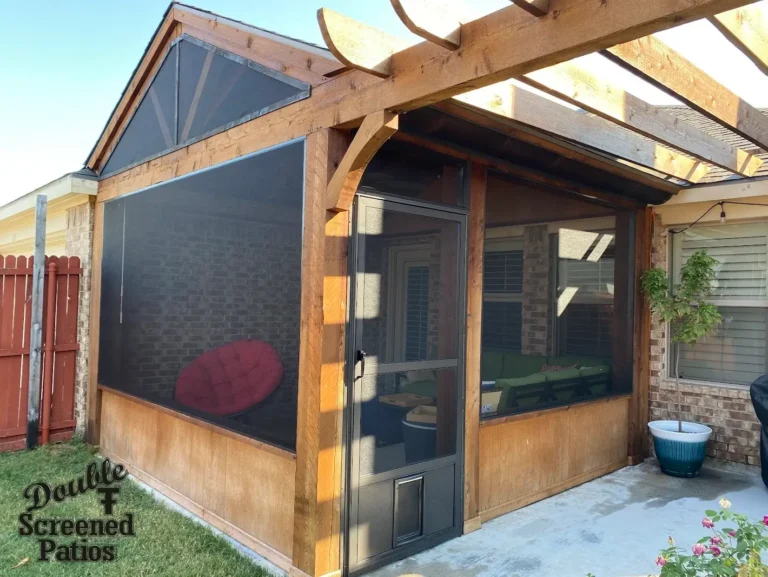
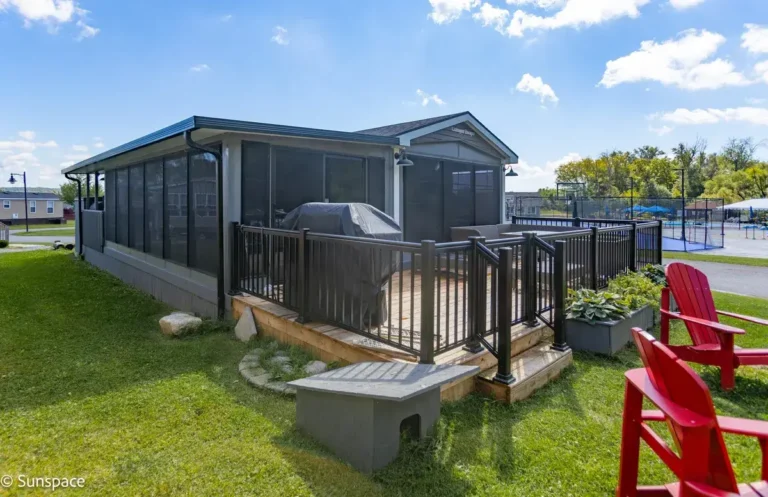
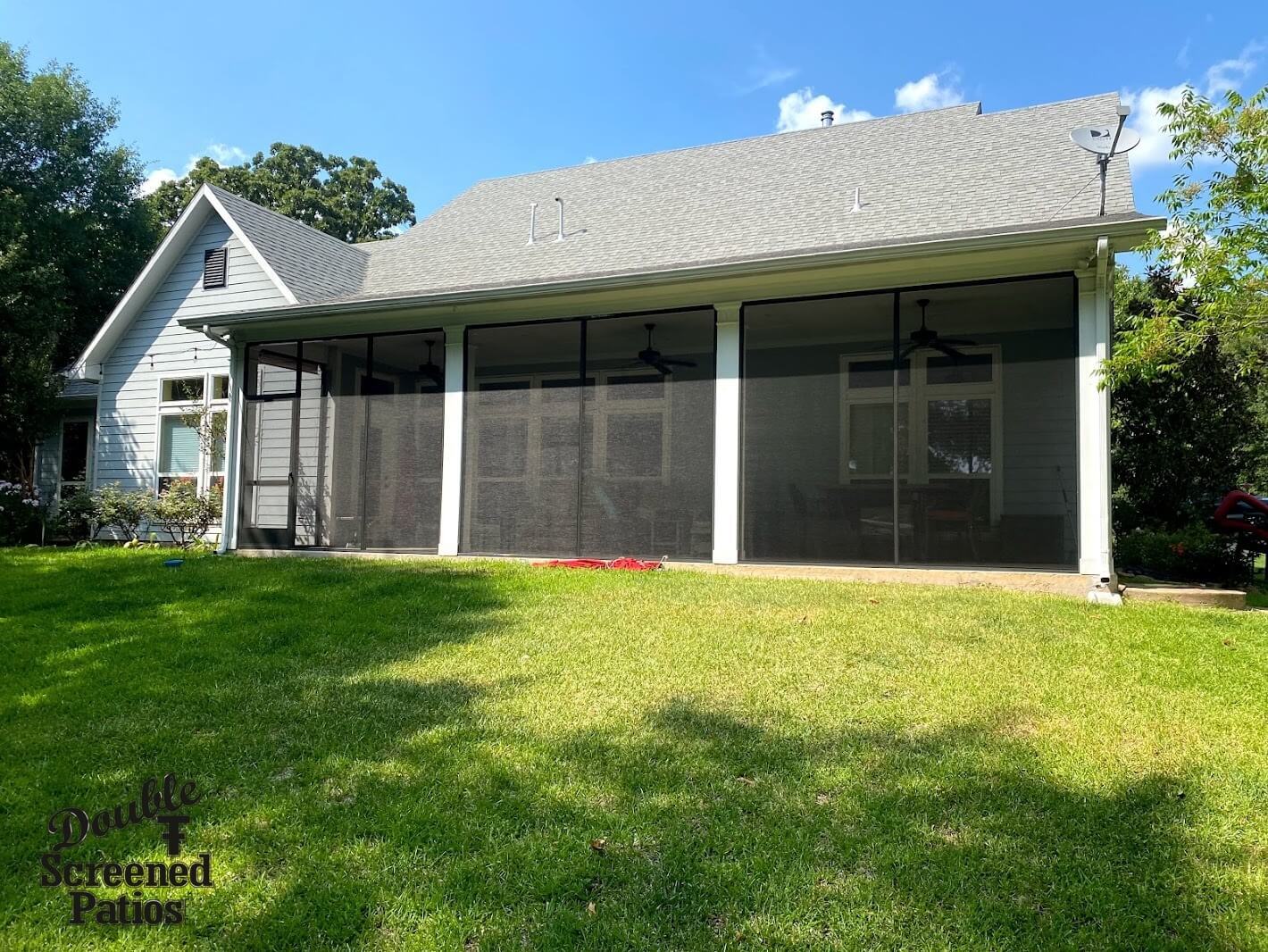
- Screen rooms: aluminum frames with fiberglass or polyester mesh panels
- Patio covers: insulated or acrylic roof panels on an aluminum frame, open on the sides
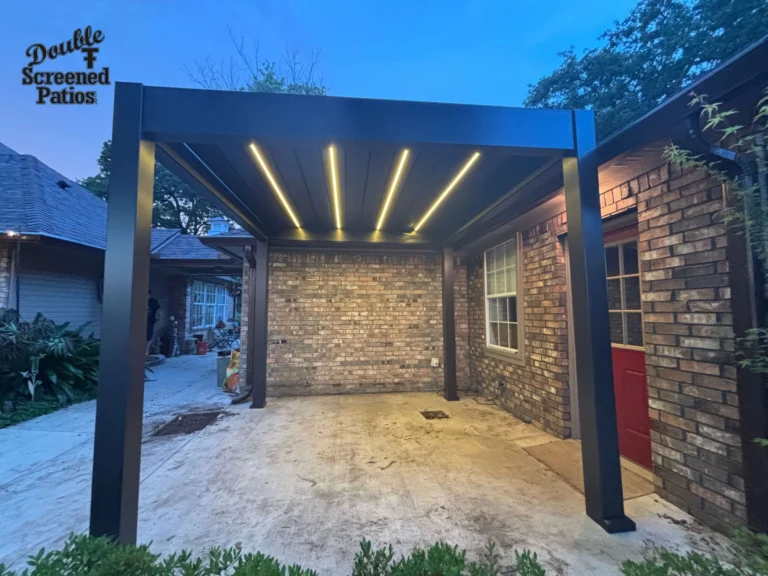
- Louvered pergolas: motorized aluminum blade systems, freestanding or wall-attached
- Sunrooms and three-season rooms: fully enclosed structures with vinyl or glass window systems and insulated or acrylic roofing
Each one has specific vulnerability points. Treating them all the same way is where most homeowners go wrong.
Screen Rooms: What to Watch and When
Screen rooms are the most exposure-sensitive enclosure type because the mesh itself is in direct contact with every weather element. The aluminum frame holds up well, but the mesh and spline system takes the most stress over time.
Here’s what to check regularly:
- Mesh integrity: Look for small tears, stretched areas, or sections that have pulled away from the spline channel. A single torn panel left unaddressed can widen significantly in high winds.
- Spline condition: The rubber spline that holds the mesh into the frame channel can dry out and shrink in Texas heat. When it pulls loose, the mesh sags, and gaps form at the edges.
- Frame joints and fasteners: After major storms, check corner brackets and panel-to-frame connections for any loosening. High winds put lateral stress on screen room frames that can work screws loose over time.
- Door hardware: Screen door hinges and latches take more wear than any other component. Misaligned doors let in insects, moisture, and debris.
Mesh replacement is straightforward and inexpensive when caught early. Ignore it, and a small tear becomes a full panel replacement, or worse, structural frame stress if wind gets behind a loose section.
Patio Covers and Pergolas: Roof and Frame Care
Patio covers and louvered pergolas are your most structurally robust enclosure types, but they still need seasonal attention. Their main vulnerabilities are the roof system, drainage, and attachment points.
For insulated patio covers:
- Check the gutter system and downspout connections every spring. Debris buildup causes water to pool at the fascia edge, which leads to sealing failure over time.
- Inspect the panel-to-panel joints and any caulked seams annually. Texas temperature swings expand and contract aluminum panels repeatedly, and caulking eventually cracks.
- After hailstorms, look at acrylic or polycarbonate panel surfaces for pitting or micro-fractures. Small cracks can spread with freeze-thaw cycling in winter.
For louvered pergolas:
- Close the blades to their fully sealed position before major storms. The closed position is structurally the strongest configuration and prevents debris from lodging between blades.
- Keep the blade drainage channels and built-in gutters clear. Clogged drainage is the number one cause of water infiltration in louvered systems.
- Check motor housing annually for moisture intrusion. Waterproof-rated motors are standard on quality systems, but it’s worth confirming the housing seal stays intact.
- Inspect powder-coated aluminum surfaces for any chips or scratches. Touch up bare metal spots promptly to prevent oxidation from getting started.
The louvered pergola installation process includes anchoring specs and drainage design that hold up to Collin & Denton Counties conditions, but only if the system is kept clear and the blade mechanism is operated correctly through storm season.
Sunrooms and Three-Season Rooms: Seals, Glass, and Frames
Sunrooms are the most complex enclosure type to maintain because they combine roofing, window systems, and wall framing into a single weatherproof structure. Any one of those elements can be an entry point for moisture if not maintained.
Focus on these areas each year:
- Window and door seals: Vinyl window systems like the WeatherMaster are built for durability, but the perimeter seals around each vent should be inspected annually. Look for cracking, compression loss, or gaps at corners where sealant has pulled away from the frame.
- Roof-to-wall transitions: The junction where the sunroom roof meets your existing house wall is the single highest-risk point for water infiltration. Check the flashing and caulking at this seam every spring before the heavy rain season.
- Condensation management: Three-season rooms without full insulation can develop condensation on window frames during winter cold snaps. Wipe down frames after cold stretches and check for any soft spots or discoloration that might signal moisture getting behind panels.
- Foundation and footer connections: If your sunroom sits on a concrete footer or deck, check the base frame connection annually. Ground movement from Collin & Denton Counties clay-heavy soils can shift footers slightly over the years, which stresses the frame-to-foundation seal.
A well-maintained screen room or sunroom enclosure will easily outlast a neglected one by a decade or more. The maintenance work itself is minimal; it’s mostly about catching small issues at the right time.
Seasonal Maintenance Schedule at a Glance
Here’s a practical maintenance calendar built around Collin & Denton Counties weather patterns:
| Season | Priority Tasks |
| Spring (March–April) | Full inspection after winter; check seals, gutters, mesh, fasteners; clear drainage channels |
| Pre-Storm Season (May) | Confirm louvered blade operation; check screen spline condition; touch up any sealant gaps |
| Summer (June–August) | Clear debris from gutters monthly; inspect UV-exposed mesh and vinyl for degradation |
| Fall (September–October) | Check all fasteners and anchor points after early cold fronts; inspect roof panel joints |
| Pre-Winter (November) | Clear gutters; inspect all seals before freeze season; address any caulking cracks |
Most of these checks take under an hour. The ones that take longer, like resealing roof transitions or replacing mesh panels. These are still far less expensive than addressing water damage that’s had a season to develop.
Warning Signs That Go Beyond DIY
Some issues are worth calling a professional for rather than attempting yourself. Watch for:
Cracked or discolored roof panels, especially after hail; damaged panels let UV and moisture through even if they look structurally intact
Water staining on interior surfaces indicates active infiltration that’s already past the outer seal.
Visible rust on aluminum frames: aluminum doesn’t rust, so this signals a steel fastener or insert has corroded and needs replacement before it compromises the joint.
Blade motor that hesitates or stalls could indicate debris in the track or a moisture issue in the motor housing; forcing it risks gear damage
Foundation gaps at the base frame; soil movement in Collin & Denton Counties is significant; a gap at the base of a sunroom needs professional assessment before re-sealing.
Cracked or discolored roof panels, especially after hail; damaged panels let UV and moisture through even if they look structurally intact.
Ready to Protect Your Investment?
A patio enclosure that’s properly maintained handles North Texas weather without major drama. The structures themselves are built for it. What most homeowners miss is the seasonal rhythm of small checks that keep everything watertight and functioning correctly year after year.
If you’ve noticed any of the warning signs above, or if your enclosure hasn’t had a professional inspection in a while, Double T Screened Patios is happy to take a look. Reach out, and let’s make sure your investment is protected heading into the next season.
Frequently Asked Questions
How often should I inspect my patio enclosure in North Texas?
A full inspection twice a year. Once in spring before storm season and once in fall before winter. This covers most of what Collin & Denton Counties weather throws at enclosures. Add a quick visual check after any significant hailstorm or high-wind event, regardless of season.
What’s the most common weather damage to screen rooms in Collin & Denton Counties?
Mesh tears and spline failure from UV degradation and wind stress are the most frequent issues. Spring hailstorms are the other big culprit, since small hail can puncture standard fiberglass mesh without leaving obvious damage until the tears expand.
Do louvered pergolas need to be closed before a storm?
Yes. The fully closed blade position is the strongest structural configuration for a louvered pergola and protects the drainage channels and motor housing from debris. Get in the habit of closing blades when severe weather is forecast.
How long do patio enclosure materials last in Texas?
Quality aluminum framing lasts 20 to 30 years with basic maintenance. Insulated roof panels typically last 20-plus years. Screen mesh has a shorter lifespan of 7 to 15 years, depending on UV exposure and physical stress. Vinyl window systems on sunrooms are generally rated for 20-plus years with proper seal maintenance.
Can I re-caulk my sunroom’s roof-to-wall transition myself?
You can handle minor surface caulking touch-ups yourself using an exterior-grade polyurethane or silicone sealant. However, if the flashing itself has shifted or if you’re seeing active water infiltration, that’s a job for a professional. Improper flashing repair can make infiltration worse by trapping moisture behind the new sealant layer.